
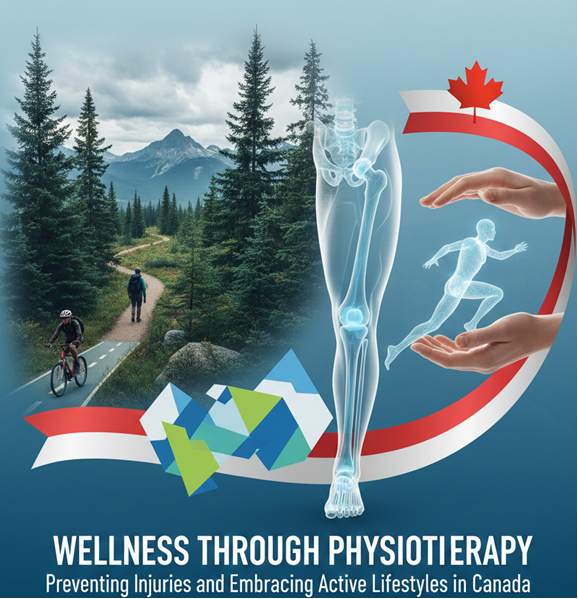
Staying active is one of the best ways to protect your health, but without the right preparation and awareness, everyday activities can sometimes lead to strains, sprains, or longer-term issues. For Canadians who love getting outdoors—whether hiking local trails, cycling around the neighborhood, or playing recreational sports—physiotherapy offers a practical, evidence-based way to stay ahead of problems. Visiting a Langley physiotherapy clinic, for example, can provide tailored advice on movement patterns, strength building, and body mechanics that help people enjoy their favorite activities safely and sustainably.
Physiotherapy has evolved far beyond treating injuries after they occur. Today, it’s increasingly recognized as a cornerstone of preventive care. By addressing imbalances, improving mobility, and teaching proper techniques, physiotherapists help individuals build the resilience needed for an active life. In a country like Canada, where outdoor recreation is a big part of daily living for millions, this preventive focus is more important than ever.

The Growing Importance of Preventive Care in Canadian Health
Musculoskeletal conditions remain one of the leading causes of disability in Canada. Recent data from the Canadian Institute for Health Information indicates that about one in three adults experiences issues with muscles, joints, or bones each year. Lower back pain alone affects a significant portion of the population, contributing to substantial healthcare costs—estimated in the billions annually when factoring in lost productivity and treatment expenses.
These numbers highlight why prevention matters. Waiting until pain becomes chronic often means longer recovery times and higher costs. Preventive physiotherapy steps in early, identifying risk factors like poor posture, muscle weakness, or improper movement patterns before they escalate. Studies across Canada show that proactive interventions can reduce the incidence of common injuries by 20-30% in active populations, allowing people to maintain their independence and quality of life longer.
In provinces like British Columbia, where residents frequently engage in hiking, running, and other outdoor pursuits, the demand for preventive strategies is particularly high. Local trails and parks provide endless opportunities for movement, but they also expose people to uneven terrain, sudden changes in elevation, and repetitive stress—factors that can lead to overuse injuries if not managed properly.
How Physiotherapy Builds a Foundation for Safe Movement
At its core, preventive physiotherapy focuses on optimizing how the body moves. A thorough assessment looks at posture, joint range, muscle strength, balance, and coordination. From there, physiotherapists create individualized plans that address specific weaknesses.
For instance, core stability exercises strengthen the muscles that support the spine during lifting, twisting, or bending—movements common in daily life and sports. Improved core strength not only protects the back but also enhances overall performance in activities like hiking or cycling. Similarly, targeted strengthening for the hips and knees can prevent common lower-body issues, such as runner’s knee or IT band syndrome.
Mobility work is another key element. Tight muscles or restricted joints often lead to compensatory patterns that increase injury risk. Physiotherapists use techniques like dynamic stretching and joint mobilizations to restore full range of motion, making everyday movements smoother and safer.
Balance and proprioception training deserve special attention, especially for older adults. Falls are a major concern in Canada, with data showing they account for a large percentage of emergency visits among those over 65. Programs that include single-leg stands, step-ups, and surface challenges can dramatically lower fall risk—sometimes by as much as 30% according to national studies.

Tailoring Prevention to Active Canadian Lifestyles
Canada’s diverse landscapes and four-season climate make physical activity both rewarding and challenging. In British Columbia, places like Campbell Valley Regional Park, Golden Ears Provincial Park, and local trails around Langley offer beautiful settings for walking, running, and hiking. These areas attract thousands who want to stay fit outdoors, but uneven paths, roots, and elevation changes can strain ankles, knees, and backs without proper preparation.
Physiotherapists help by designing warm-up routines specific to these activities. For hikers, exercises focusing on ankle stability and hip strength reduce the chance of twists or strains. Cyclists benefit from assessments of bike fit and glute strengthening to prevent lower back discomfort. Even casual walkers can learn proper stride mechanics to avoid overuse issues.
Seasonal transitions add another layer. Winter sports like skiing or snowshoeing demand different preparation than summer hiking. Physiotherapists guide people through off-season conditioning, ensuring muscles and joints are ready when the weather changes.
Across Canada, national guidelines emphasize the importance of muscle-strengthening and balance activities at least twice a week. Yet many adults fall short, particularly in older age groups where adherence drops. Preventive physiotherapy bridges this gap by making recommendations practical and enjoyable, integrating them into real-life routines.
Education: Empowering People to Take Charge
Knowledge is one of physiotherapy’s most powerful preventive tools. Therapists spend time explaining why certain exercises matter and how to perform them correctly. Patients learn to recognize early signs of strain—like mild tightness or fatigue—and adjust before problems worsen.
Ergonomic advice is common, especially for those with desk jobs. Simple changes, such as proper chair height or monitor placement, combined with regular movement breaks, prevent neck and shoulder issues that affect millions.
Home exercise programs are tailored and progressive, starting easy and building as strength improves. This approach ensures people can maintain their gains independently, reducing reliance on frequent appointments.
In rural or remote areas, where access to care might be limited, education becomes even more crucial. Physiotherapists provide strategies that patients can use long-term, supporting wellness regardless of location.
Integrating Prevention into Daily Routines
Preventive physiotherapy works best when it becomes part of everyday life. Morning mobility routines—gentle stretches and activations—prepare the body for the day. Evening recovery practices, like foam rolling or light yoga, aid repair and reduce stiffness.
For families, physiotherapy can promote wellness across ages. Parents learn safe ways to play with kids, while grandparents receive balance-focused exercises to stay independent. Community programs in places like Langley often include group sessions that make prevention social and fun. If emotional concerns are also affecting your wellbeing, discuss whether separate counselling support would be useful alongside your movement plan. Our article on holistic counselling and life balance explores that different area of care.
Technology also plays a role. Apps and wearables track movement, reminding people to stay active and maintain good posture. Physiotherapists incorporate these tools into plans, helping patients monitor progress and stay motivated.
Addressing Common Myths and Barriers
Some believe physiotherapy is only for after an injury, but evidence clearly shows its preventive value. Others worry about cost or time. Many extended health plans cover preventive sessions, and the long-term savings from avoiding injuries often outweigh the initial investment.
Time constraints are real, but physiotherapists design efficient programs—short, effective routines that fit busy schedules. Consistency matters more than duration. When comparing clinics, ask about practitioner qualifications, relevant experience, appointment access and the proposed plan. Readers in British Columbia can consult our guide to physiotherapy in Burnaby and Greater Vancouver for additional provider-selection questions.
The Broader Impact on Canadian Health
By prioritizing prevention, physiotherapy helps reduce the overall burden of musculoskeletal conditions. Fewer injuries mean less strain on healthcare resources and more people enjoying active, fulfilling lives.
As Canada’s population ages and stays active longer, the need for preventive strategies will only grow. Physiotherapists are well-positioned to lead this shift, working alongside other health professionals to promote movement as medicine.
In communities across the country—from urban centers to rural trails—preventive physiotherapy empowers people to move confidently, recover faster when needed, and thrive in their active lifestyles.
Frequently Asked Questions
How can physiotherapy help prevent injuries in everyday activities?
Physiotherapy identifies movement imbalances and weaknesses early, then provides targeted exercises to strengthen key areas, improve posture, and teach proper body mechanics—reducing the risk of strains from daily tasks or sports.
What types of exercises are most effective for injury prevention?
A mix of core stability work, dynamic stretching, strength training for major muscle groups, and balance/proprioception drills works best. Tailored programs often include sport-specific warm-ups to prepare for activities like hiking or cycling.
How often should someone seek preventive physiotherapy?
Many benefit from 1–4 sessions per year for assessments and program updates, especially if active or experiencing minor discomfort. Regular check-ins catch issues before they become serious.
Does preventive physiotherapy work for all ages and fitness levels?
Yes—it adapts to everyone, from young athletes to older adults. Programs focus on individual needs, making prevention accessible and effective regardless of starting point or lifestyle.
Further Reading: Gender-Affirming Healthcare
Readers researching a separate specialist-care topic can explore the role of progesterone in transgender hormone therapy. Hormone-treatment questions should be discussed with the prescribing clinician rather than treated as part of a physiotherapy programme.