
On any given day in Utah, people are hiking mountain trails, skiing high-altitude slopes, commuting to work, or sitting in hospital rooms waiting for treatment. What connects these very different lives is something most never see: plasma. Quietly collected in donation centers across the state, plasma underpins modern medicine, supports cutting-edge research, and gives thousands of patients a chance at healthier, longer lives.
Plasma donation in Utah has become an essential part of the healthcare system, yet it remains widely misunderstood. Many people know it exists, but fewer understand why plasma is so valuable, how donation works, or how deeply it affects real families. As demand for plasma-derived therapies continues to rise worldwide, Utah donors play an increasingly important role in a global medical effort, one rooted in science, community, and everyday generosity.
The Science That Makes Plasma So Valuable
Plasma is the pale yellow liquid that makes up just over half of human blood. While red blood cells carry oxygen and white blood cells fight infection, plasma acts as the bloodstream’s delivery system. It transports nutrients, hormones, and waste products, while also containing proteins that regulate blood pressure, clotting, and immune response.
Those proteins are the key. Albumin helps maintain fluid balance and blood volume. Immunoglobulins—antibodies—are essential for people whose immune systems cannot defend them properly. Clotting factors allow blood to coagulate, preventing uncontrolled bleeding. When plasma is donated, these components are separated, purified, and turned into medications that cannot be synthetically replicated.
According to the World Health Organization, plasma-derived medicines are used to treat dozens of conditions, including hemophilia, primary immunodeficiency disorders, liver disease, severe burns, and complications from trauma. For many patients, these therapies are not optional. They are lifelong necessities.
Utah’s geography adds another layer to this need. High elevations, outdoor sports, and an active population increase the likelihood of injuries that require plasma-based treatments. Trauma centers rely on plasma products for emergency care, while chronic disease patients depend on steady access year after year.
The Human Stories Behind the Medicine
Statistics explain the scale of plasma donation, but stories reveal its meaning.
Take the experience of families dealing with rare bleeding disorders. Children born with hemophilia lack specific clotting factors, making even small injuries potentially dangerous. Decades ago, this diagnosis often meant limited mobility and a shortened life expectancy. Today, plasma-derived clotting therapies allow many of these children to live active, near-normal lives.
Parents often describe the first time treatment works as a turning point: a child running without fear, a scraped knee that heals normally, a hospital visit that never happens. Those moments are made possible by anonymous donors who give plasma regularly, sometimes twice a week, without ever knowing whose life they are changing.
Patients with immune deficiencies tell similar stories. For them, donated plasma provides immunoglobulin therapies that replace missing antibodies. Without treatment, simple infections can become life-threatening. With it, patients can work, travel, and raise families.
These outcomes are not rare exceptions. They are the everyday results of plasma donation quietly supporting millions of patients worldwide.
A Backbone of Modern Medicine and Research
Beyond direct patient care, plasma donation plays a central role in medical research. Scientists rely on plasma to study immune responses, protein behavior, and disease progression. New therapies for autoimmune conditions, neurological disorders, and rare genetic diseases often begin with plasma-based research.
During public health emergencies, the value of plasma becomes even more visible. During the COVID-19 pandemic, researchers explored convalescent plasma—plasma from recovered patients containing antibodies—as a potential treatment. While results varied, the effort highlighted how quickly plasma donation can be mobilized in response to emerging threats.
As medicine moves toward more personalized treatments, the demand for plasma continues to grow. Unlike many pharmaceuticals, plasma-derived medicines depend entirely on human donors. There is no laboratory substitute, and supply cannot be scaled without people willing to donate.
What the Donation Process Really Looks Like
For first-time donors, the idea of plasma donation can feel intimidating. In reality, the process is structured, regulated, and designed with donor safety as the top priority.
Before donating, individuals complete a health screening that includes a medical questionnaire, basic physical exam, and vital sign checks. Factors such as weight, hydration, medication use, and medical history help determine eligibility. These requirements are set by federal regulators and enforced strictly.
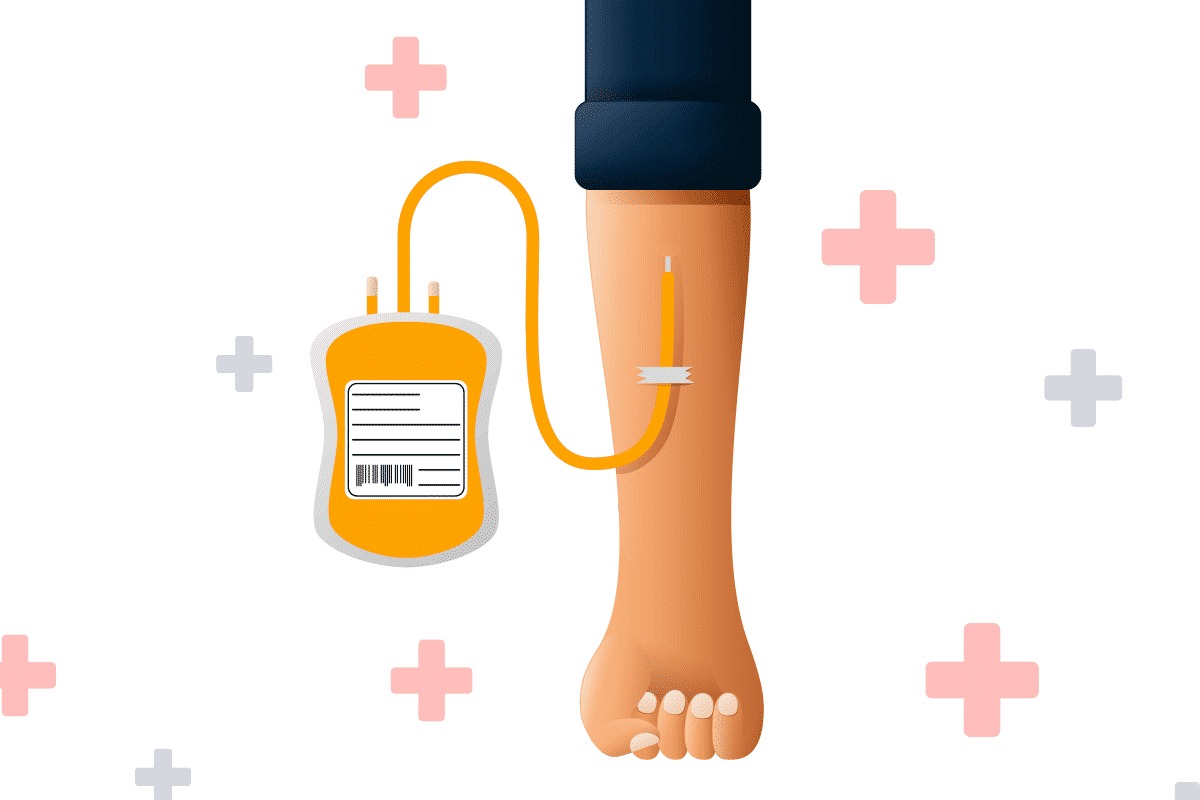
On donation day, donors are connected to an automated system through a single needle inserted into the arm. Blood is drawn, plasma is separated, and red blood cells and platelets are returned to the body. This process, known as plasmapheresis, allows donors to give plasma more frequently than whole blood.
A typical visit lasts between 90 minutes and two hours, most of which is spent seated comfortably. Many donors read, watch videos, or listen to music while the machine works. Staff monitor donors throughout the process, checking for any signs of discomfort.
Afterward, donors rest briefly, hydrate, and return to their normal routines with minimal restrictions. The body naturally replaces donated plasma within 24 to 48 hours.
Safety, Regulation, and Common Myths
Despite decades of use, plasma donation is still surrounded by misconceptions. One persistent myth is that donating plasma is dangerous. In reality, plasma collection centers in the United States operate under strict oversight from the Food and Drug Administration and other regulatory bodies. Equipment is sterile, staff are trained medical professionals, and every step follows standardized safety protocols.
Side effects are generally mild and temporary. Some donors experience fatigue, lightheadedness, or minor bruising at the needle site, often linked to dehydration or skipping meals. Serious complications are rare.
Another misconception is that plasma donation is a shortcut to weight loss. While donors temporarily lose fluid, plasma donation is not a weight-loss method and should never be approached as one. Healthy weight management requires nutrition and exercise, not medical procedures.
Clear information is the best antidote to these myths. Donation centers provide educational materials, answer questions, and encourage donors to speak openly about concerns.
Making the Experience Easier
Experienced donors often say preparation makes all the difference. Staying hydrated in the days leading up to a donation improves blood flow and reduces side effects. Eating a balanced meal with adequate protein helps maintain energy levels. Wearing comfortable, short-sleeved clothing simplifies the process.
Many donors also find that consistency helps. Regular donors tend to feel more comfortable with the routine and experience fewer side effects over time. Some even describe donation days as a quiet ritual—a small, predictable way to contribute to something larger.
Donation centers often compensate donors for their time, which can be helpful for students, gig workers, or people managing rising living costs. While compensation is not the primary reason many donors continue, it does make regular donation more accessible.
Plasma Donation in Utah: Access and Community
Utah is home to multiple plasma collection centers operated by national organizations, with locations concentrated along the Wasatch Front and in other population hubs. These centers work closely with hospitals, regulators, and community groups to maintain supply and raise awareness.
Local donation drives and educational events help demystify the process and encourage new donors. Some centers host appreciation days, wellness checks, or community outreach programs that emphasize the shared impact of donation.
Online forums and local groups also play a role. Donors often exchange tips, share experiences, and support one another, creating a sense of belonging that goes beyond the donation chair.
The Ripple Effect of a Single Donation
The true impact of plasma donation is rarely immediate or visible. A single donation may be divided into multiple treatments, shipped across the country or overseas, and administered weeks or months later. Yet its effects are profound.
Plasma donation supports emergency rooms treating accident victims, clinics managing chronic illnesses, and research labs searching for cures. It strengthens healthcare systems and offers patients stability in the face of uncertainty.
For donors, the act often brings an unexpected sense of connection. Knowing that a routine visit can help a stranger survive surgery, manage a lifelong condition, or regain independence gives meaning to the time spent.
In a world where many problems feel overwhelming, plasma donation offers something rare: a clear, practical way to help.
A Quiet Act With Lasting Impact
Plasma donation in Utah is not flashy. It doesn’t make headlines or trend on social media. Yet every day, it quietly sustains lives, advances science, and strengthens communities.
For those who donate, it is an ordinary act with extraordinary reach. For those who depend on plasma-derived therapies, it is nothing short of life-changing. As demand continues to rise, the importance of informed, willing donors will only grow.
In the end, plasma donation is a reminder that modern medicine still depends on something deeply human: people helping people, one donation at a time.