
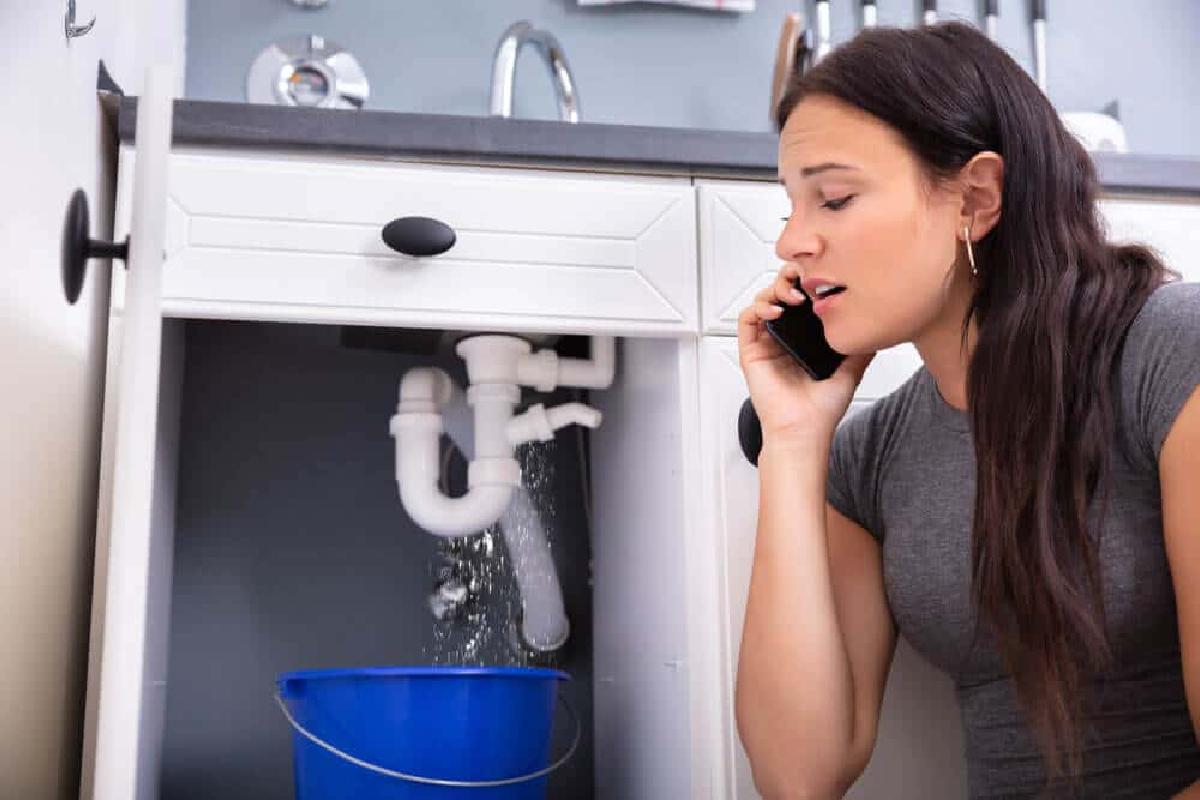
A plumbing problem rarely waits for a convenient moment. A pipe starts leaking behind a wall, a toilet backs up right before guests arrive, or a water heater fails when you need it most. In a city like Phoenix, where heat, hard water, and heavy system use can all add stress to plumbing, small issues can turn into expensive damage fast.
That is why having a plan for emergency plumbing in Phoenix matters. The right response in the first 10 to 30 minutes can reduce water damage, protect your home’s structure, and keep a stressful situation from getting worse. This guide covers what counts as a real plumbing emergency, what to do before a plumber arrives, how to choose a reliable emergency service, and which modern repair methods can save time and money.
Why Fast Plumbing Response Matters in Phoenix
Most homeowners do not panic because of the repair itself. They panic because of what happens while they wait. Water spreads, flooring swells, drywall soaks, and mold risk rises. When plumbing is involved, time is not just money. It is damage control.
The Hidden Cost of Waiting
A slow drip might not look dramatic, but it can be destructive if it runs for hours. Water can seep under baseboards, into cabinets, and through flooring layers. If the leak is inside a wall, you may not even see it until paint bubbles or a musty smell shows up.
Delays also affect your utility bill. A leaking toilet flapper or a cracked supply line can waste a surprising amount of water without obvious signs. In Phoenix, where water use and conservation matter, that adds another layer of frustration.
There is also an insurance angle. Many policies will cover sudden, accidental water damage, but not damage caused by ongoing leaks that were ignored. Acting quickly and documenting what happened can protect you later if you need to file a claim.
Phoenix-Specific Stressors on Plumbing
Phoenix plumbing systems deal with a few common stressors that can make emergencies more likely.
Heat can accelerate wear on some components, especially if pipes run through hot attics or exterior walls exposed to direct sun. Hard water can contribute to mineral buildup, which can narrow pipes, reduce water heater efficiency, and strain fixtures. Rapid temperature changes, including seasonal shifts and heavy AC use, can also affect expansion and contraction in materials.
None of this means plumbing failure is inevitable. It does mean that quick action and good maintenance matter more than people think.
When a “Small” Issue Becomes a Big One
One of the most common problems in emergency plumbing is that the warning signs were there, but easy to ignore. A faucet that starts sputtering, a drain that slows down gradually, a water heater that begins making noise, or a faint sewer smell that comes and goes can all be early indicators.
When those clues are missed, a system is more likely to fail suddenly. If you are proactive, you often get a cheaper fix. If you wait, you tend to get an emergency call, a bigger repair, and more damage.
What Counts as a Plumbing Emergency
Not every plumbing issue needs a middle-of-the-night call. But some absolutely do. Knowing the difference helps you respond calmly and avoid unnecessary risk.
Active Leaks and Burst Pipes
Any leak that is actively spreading water should be treated as urgent. That includes water dripping from ceilings, pooling under sinks, or running along walls. A burst pipe is the clearest emergency because it can flood an area quickly and cause serious structural damage.
In these cases, the priority is to stop the water, protect electrical safety, and call for help immediately.
Sewage Backups and Strong Sewer Odors
Sewage backups are both a property problem and a health hazard. If wastewater is backing up into tubs, showers, or floor drains, you should avoid using plumbing fixtures until the situation is assessed. Wastewater exposure can spread bacteria and contaminants quickly.
A strong sewer smell that does not go away can also signal a serious issue, such as a blockage, a dried trap, or a venting problem. Not every odor means a full emergency, but persistent smells deserve fast attention.
No Hot Water or a Water Heater Leak
Losing hot water is not always urgent, but it can become urgent if the water heater is leaking, making unusual sounds, or showing signs of pressure problems. Water heaters can fail in a way that causes flooding, especially if a tank ruptures.
If you see water around the base of the unit, rust, or dripping from valves or fittings, treat it seriously. Shut off the water supply to the heater and contact a plumber.
Major Clogs That Affect Multiple Fixtures
A single slow sink drain is usually not an emergency. But if multiple drains back up at the same time, especially on the lowest level of the home, you could be dealing with a main line blockage.
Signs include gurgling noises, water rising in the tub when the toilet flushes, or multiple fixtures draining slowly at once. These situations can escalate quickly and often require professional equipment to clear safely.
What to Do Immediately Before the Plumber Arrives
In a true emergency, your goal is not to “fix it yourself.” Your goal is to limit damage and keep the environment safe.
Shut Off Water at the Right Point
If the leak is from a specific fixture, you may be able to shut off the local valve under the sink or behind the toilet. If the leak is bigger or you cannot identify the source, shut off the home’s main water supply.
Every household should know where the main shutoff valve is. If you are not sure, locate it now before an emergency happens. In many homes it is near the front of the house, in a garage, or near the water meter.
Protect Electrical Safety
Water and electricity are a dangerous combination. If water is approaching outlets, extension cords, or appliances, turn off power to the affected area if you can do so safely. If you are unsure, do not step into standing water to reach a breaker. Safety comes first.
Contain Water and Reduce Damage
Use towels, buckets, and mops to slow spreading water. Move rugs, furniture, and electronics out of the affected area if possible. If a leak is coming from above, place a bucket under the drip and consider poking a small hole in a bulging section of ceiling drywall to release water in a controlled way. This can sometimes prevent a larger ceiling collapse, but only do this if you are confident and safe.
If the emergency is sewage-related, avoid contact. Keep people and pets away from the area and wait for professional help.
Document the Situation
Take quick photos or videos of the leak, the damage, and any visible cause. This can help a plumber understand what changed and can also support an insurance claim if needed. Documenting does not replace fast action, but it is useful once the immediate risk is under control.
How to Choose a Reliable Emergency Plumber in Phoenix
When you are stressed, it is easy to call the first number you find. But you can still make a smart choice quickly if you know what to check.
Licensing, Insurance, and Real Credentials
In Arizona, plumbers typically need proper licensing for the work they perform. A reputable emergency service should be willing to share licensing information and proof of insurance. This is not just a formality. It protects you if something goes wrong or if additional damage occurs during a repair.
Be cautious with vague claims like “certified” without clear details. The strongest companies are transparent about credentials and training.
Transparent Pricing and Clear Communication
Emergency work can cost more, especially after hours, but pricing should still be explained clearly. Ask how they charge. Is it a flat service call plus repairs? Hourly rates? Are there emergency surcharges?
A professional company will not promise an exact price over the phone without seeing the issue, but they should explain the structure and provide an estimate range once they have enough information.
Also pay attention to how they communicate. If the phone staff is dismissive or unclear, that may reflect how the job will be handled on-site.
Reviews That Show Patterns, Not One-Offs
Online reviews can be helpful if you read them the right way. Look for patterns in comments about punctuality, professionalism, cleanliness, and follow-through. One bad review does not necessarily matter. A consistent pattern of complaints does.
Strong signs include customers mentioning that technicians explained options clearly, gave realistic timelines, and cleaned up after the job.
Availability and Response Time
For emergency plumbing in Phoenix, response time is a major factor. Ask how quickly they can arrive and whether they truly provide after-hours service or simply take messages overnight.
A reliable emergency plumber should be able to give you a realistic arrival window and keep you updated if it changes.
Modern Solutions That Can Fix Emergencies Faster
Plumbing has come a long way. Many problems that once required major demolition can now be diagnosed and repaired more efficiently.
Advanced Leak Detection Without Major Damage
Hidden leaks used to require guesswork and cutting into walls. Today, many plumbers use tools that help locate leaks with less disruption. Thermal imaging can show temperature differences that hint at moisture. Acoustic detection can help pinpoint where water is escaping. Moisture meters can confirm affected areas.
These tools do not eliminate the need for repairs, but they can reduce the amount of unnecessary demolition and help a plumber act faster.
Camera Inspections for Drain and Sewer Problems
For recurring clogs or suspected main line issues, a small camera can be used to inspect pipes from the inside. This helps identify whether the problem is grease buildup, roots, a collapsed section, or a foreign object.
The benefit is clarity. Instead of guessing, a plumber can recommend a targeted solution.
Trenchless and Minimally Invasive Repairs
In some cases, pipe repairs can be done with less digging than traditional methods. Trenchless approaches vary, and not every home qualifies, but the concept is to repair or line pipes with minimal disruption to landscaping and concrete.
For homeowners, this can mean faster repairs and less restoration work afterward.
Water-Smart and Eco-Friendly Fixes
Phoenix homeowners often care about efficiency and conservation. Many emergency repairs can also improve long-term water use. Replacing worn valves, fixing silent toilet leaks, installing pressure regulators where needed, or upgrading to more efficient fixtures can reduce ongoing waste.
Eco-friendly does not have to mean complicated. Sometimes it simply means repairing correctly the first time so the problem does not repeat.
Preventing the Next Plumbing Emergency
You cannot prevent every emergency, but you can reduce the odds dramatically with a few practical habits.
Routine Checks That Catch Issues Early
Walk through your home occasionally and look for small clues. Check under sinks for moisture. Watch for rust on connections. Pay attention to toilets that run or refill unexpectedly. Notice changes in water pressure.
If your water bill spikes without explanation, treat it as a signal. A hidden leak is often the cause.
Drain Care That Reduces Blockages
Many “emergency clogs” start as slow drains. Avoid pouring grease down the kitchen sink. Use drain screens in showers. Be mindful of what goes into garbage disposals.
If you have frequent clogs, it may be time for a professional assessment rather than repeated chemical drain cleaners, which can be harsh on pipes and may not solve deeper issues.
Smart Upgrades That Provide Peace of Mind
Some upgrades reduce risk in meaningful ways. A whole-home shutoff valve with leak detection can limit damage from major leaks. Pressure regulation can protect fixtures and reduce stress on plumbing. Newer water heaters with better safety controls can reduce failure risk.
These upgrades are not required for every home, but they can be worth considering if you have had repeated issues or live in an older property.
A Calm Checklist for a Plumbing Emergency
When the stress hits, it helps to have a short plan in your head. If you are dealing with emergency plumbing in Phoenix, focus on safety and damage control first.
Know where your main water shutoff is. Know how to shut off your water heater if it leaks. Keep basic supplies like towels, a bucket, and a flashlight accessible. And have a trusted plumber’s number saved in your phone before you need it.
Final Thoughts
Plumbing emergencies are stressful, but they do not have to become disasters. A fast response, clear decisions, and the right professional help can protect your home and keep costs under control.
If you take one thing from this guide, let it be this: do not wait when water is actively causing damage. With emergency plumbing in Phoenix, speed matters, and a reliable service provider can turn a chaotic moment into a manageable repair with a clear path forward.