
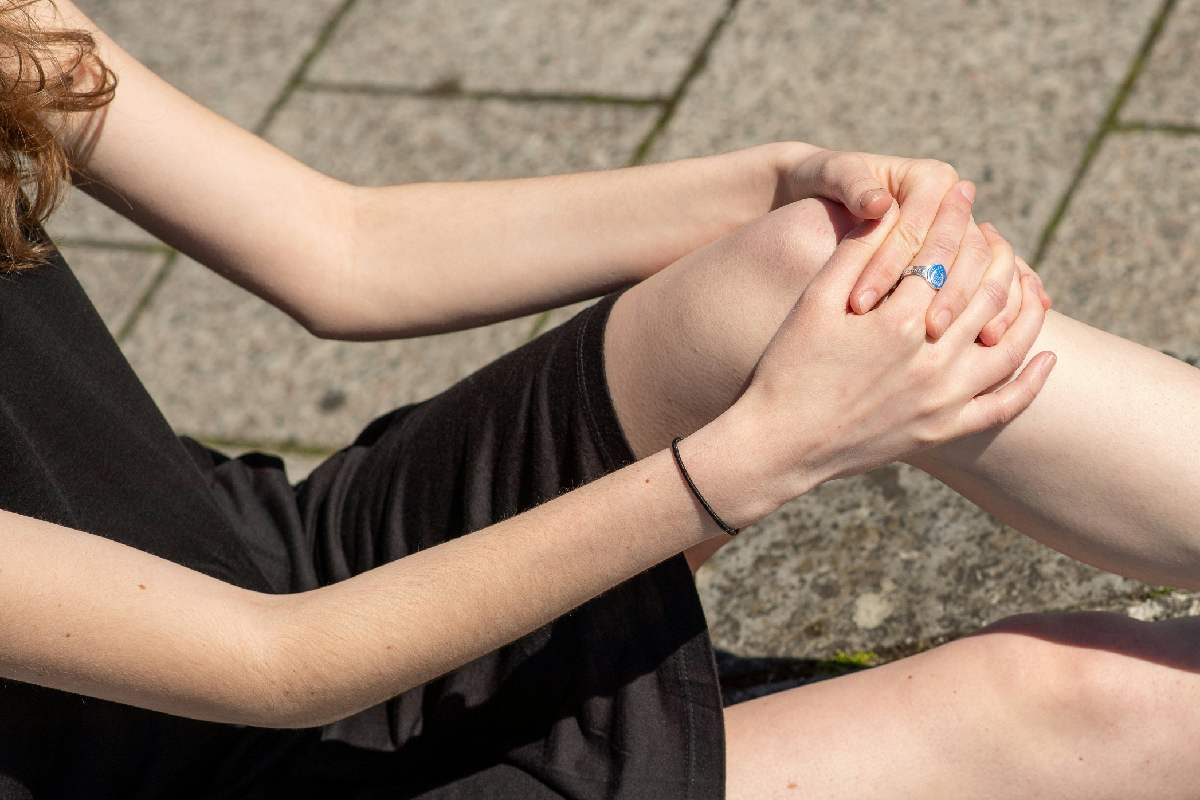
Knee pain is one of the most common musculoskeletal complaints among adults of all ages, affecting everyone from athletes and active workers to older adults managing age-related joint changes. When discomfort lingers, worsens with movement, or begins to interfere with everyday tasks, learning when to consult an orthopedic knee surgeon can help you understand whether the problem is a minor overuse issue, a soft tissue injury, or a condition that requires more specialized treatment. Because the knee is responsible for supporting body weight, absorbing shock, and allowing smooth movement, even a small issue can quickly affect mobility, balance, and quality of life.
Osteoarthritis and Everyday Joint Wear
One of the most common causes of knee pain is osteoarthritis, a condition that develops when the cartilage cushioning the knee joint gradually wears down over time. As the protective surface becomes thinner, the bones may rub more directly against each other, leading to stiffness, swelling, tenderness, and pain that often feels worse after activity or first thing in the morning.
Osteoarthritis is especially common in older adults, but it can also affect younger people who have a history of knee injury, repetitive strain, or excess pressure on the joint. Managing this type of pain often starts with weight management, low-impact exercise, physical therapy, and anti-inflammatory strategies, while more advanced cases may require injections or surgical evaluation if daily function is significantly affected.
Ligament Injuries and Sudden Twisting Trauma
Ligament injuries are another frequent source of knee pain, especially in sports and activities that involve sudden stops, pivots, or awkward landings. The anterior cruciate ligament, or ACL, is one of the best-known knee ligaments, and injuries to it can cause immediate pain, swelling, instability, and the sensation that the knee may give way.
Other ligaments, including the MCL, PCL, and LCL, can also be strained or torn depending on the direction of impact or twisting force. Mild sprains may improve with rest, bracing, and rehabilitation, but more serious ligament injuries often need imaging, structured physical therapy, and sometimes surgical repair or reconstruction to restore stability and prevent further joint damage.
Meniscus Tears and Cartilage Damage
The meniscus is a piece of cartilage that acts like a shock absorber between the thigh bone and shin bone, helping distribute weight across the knee joint. A meniscus tear can happen suddenly during sports or gradually over time as the cartilage weakens with age, and it often causes pain along the joint line, swelling, clicking, or a feeling that the knee is catching or locking.
Treatment depends on the size, location, and severity of the tear, as well as the patient’s activity level and overall knee health. Some minor tears can be managed with rest, ice, physical therapy, and activity modification, while others may need arthroscopic treatment if symptoms persist or the tear interferes with normal movement.
Tendonitis and Overuse Conditions
Not all knee pain comes from major structural damage, and many cases are linked to overuse injuries involving the tendons around the joint. Patellar tendonitis, often called jumper’s knee, develops when repetitive stress irritates the tendon connecting the kneecap to the shinbone, leading to pain below the kneecap during running, jumping, squatting, or climbing stairs.
Overuse conditions are common in athletes, runners, and people whose jobs require frequent kneeling or repetitive movement. The best response usually includes reducing aggravating activities, improving flexibility and strength, correcting movement patterns, and allowing enough recovery time so the irritated tissue can heal rather than becoming a chronic source of pain. When preparing for your appointment, describe your usual exercise, work tasks, footwear and recovery routine. Our article on daily habits that can harm your joints offers related reading to help you identify topics to discuss with your clinician.
Bursitis, Inflammation, and Kneecap Problems
The knee contains small fluid-filled sacs called bursae that help reduce friction between tissues, but these structures can become inflamed from repeated pressure, overuse, or direct impact. Knee bursitis may cause localized swelling, warmth, and tenderness, particularly around the front of the knee in people who spend long periods kneeling for work or exercise.
Pain can also come from the kneecap itself, especially when the patella does not track properly as the knee bends and straightens. Patellofemoral pain syndrome, sometimes described as pain behind or around the kneecap, is common in active individuals and can often be improved with strengthening exercises, posture and alignment correction, supportive footwear, and activity adjustments that reduce stress on the front of the knee.
When to Seek Help and How to Protect Your Knee
While mild knee pain sometimes improves with rest and self-care, there are clear signs that professional evaluation is important. Swelling that does not improve, pain that persists for more than a few weeks, limited range of motion, instability, locking, or difficulty bearing weight may indicate an injury or degenerative condition that should not be ignored.
Early treatment is often the best way to prevent further damage and maintain long-term mobility. A medical evaluation may include a physical exam, imaging, and a personalized treatment plan that could involve physical therapy, medication, bracing, injections, or surgical consultation depending on the underlying cause and the severity of symptoms.
Further Reading for Dog Owners
Pet owners researching a different joint-health concern can explore our article on CBD and joint pain in dogs. Questions about a dog’s pain, mobility or suitability for any product belong with a veterinarian; the human knee conditions discussed above are a separate subject.