
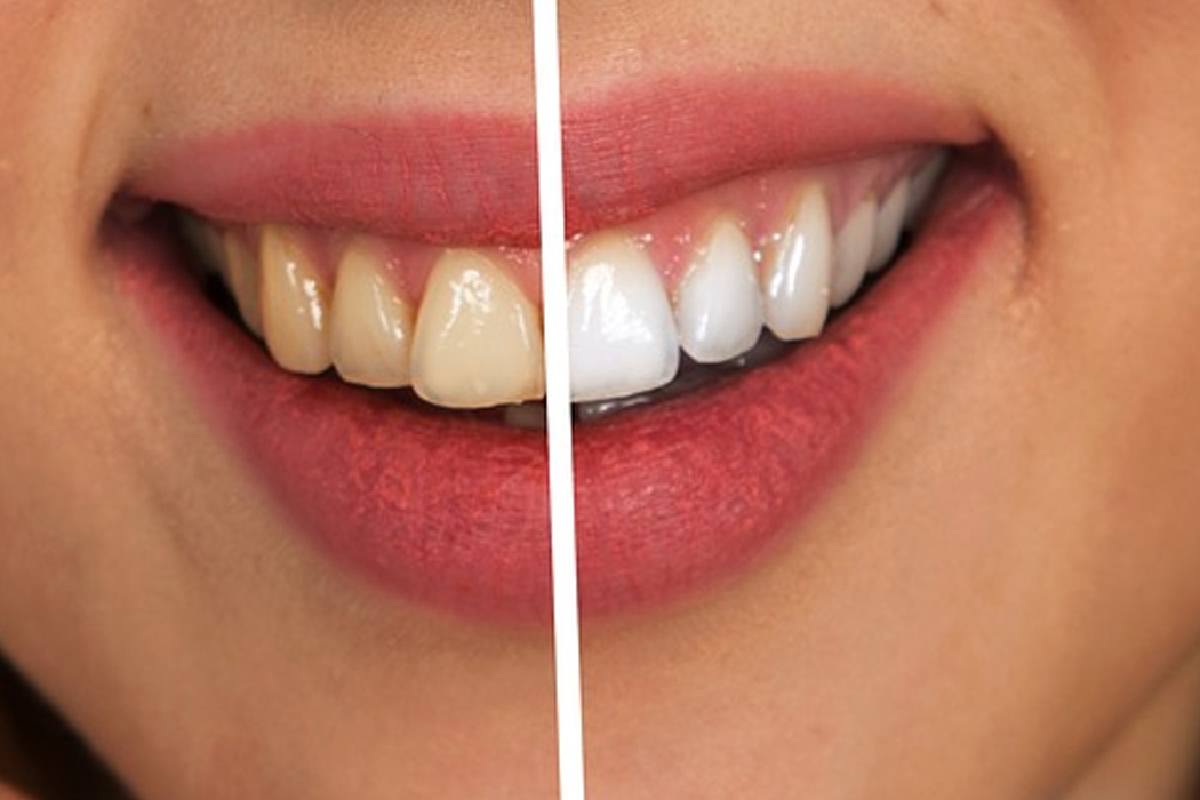
Tooth stains are common, but they don’t have to be permanent. After years of coffee, wine, tea, and just good, old-fashioned living, people find themselves with stained teeth. Some may suffer from medicinal stains or genetically predisposed stains, while others develop stains from aging or other lifestyle choices. Regardless, teeth whitening options exist to bring brightness back to one’s confident smile.
While some options work better for some than others, knowing the best option to cover different types of stains will empower individuals to do what’s best for their level of stained teeth. Investment in teeth whitening is often worth it as many feel renewed confidence from their newly brightened smile and engage better socially and in professional endeavors, making it worthwhile over time since the investment goes beyond aesthetics.
What Causes Stained Teeth?
Generally, there are two types of stains: surface stains (extrinsic) and deep stains (intrinsic). Surface stains are those that affect only the outer layer of tooth enamel. Usually, they’re caused by foods and beverages and generally easier to whiten with most avenues working well to remove surface stains.
Deep stains come from medicines like tetracycline or injury to a tooth or even the natural aging process. These stains often take more work to remove and are more complicated.
Surface Stains: The Most Prevalent Cause
Coffee is probably the worst culprit in surface staining. Years of black coffee or tea accumulate to dull the bright whiteness over time. However, red wine is not far behind as well as dark berries and tobacco. Even beets and curry can cause staining when used regularly, although they’re slightly less concerning because they’re generally considered health foods.
Aging is also a culprit due to enamel thinning over time. Once that white outer shell wears down, it exposes a portion of dentin that is darker and creates an overall yellowish appearance instead of just brown spots or the like.
How Professional Options Can Help
When it comes to the most effective whitening treatment for stained teeth, professional options available through a dentist offer the best results. Treatments administered by a dental professional offer advanced bleaching options not available over the counter and therefore can get to the deeper stains with better results.
Professional whitening comes in two forms. In-office procedures take about an hour during which a professional applies advanced whitening gel materials that whiten several shades at once to restore color quickly. Many use an LED light to help accelerate the process. This allows for immediate results several hours after application.
Take-home systems are provided with custom trays that maintain excellent gum and soft tissue coverage while providing gradual efforts for great results over time. They not only are a great maintenance tool for maintaining newly whitened teeth but also good options for those looking to whiten gradually instead of intensely in an appointment.
For those exploring their options, understanding how to whiten teeth safely and effectively often benefits from professional guidance. Dental professionals can assess the type of staining present and recommend the most appropriate treatment approach for individual situations.
What About Non-Prescription Options?
There are some options available at drug stores which may be promising but more often than not, they’re less effective than professional means.
Whitening toothpaste can help by eliminating stains but it does not mean they’re truly effective in terms of whitening materials. The same with strips – unless they are professional strips, the off-brand varieties leave a lot to be desired.
Professional strength gels available over the counter can be helpful yet without customized mouth trays, they may cause more damage than good by being improperly applied, creating uneven applications (if at all), or causing excess gum sensitivity.
Whitening mouthwash is the least-effective option as it’s barely any better than non-whitening mouthwash so while it can be used as a maintenance tool after professional treatment, it’s not a good option to preemptively take action against stained teeth.
Natural Options? Yes, Please!
Some natural options include oil pulling with coconut oil which can loosen up some surface bacteria and microscopic debris that settles into the teeth over time. Baking soda can help too with its granular exfoliation but again, it’s highly suggested once a month—not every day—and cannot do much for deeper stains.
However, activated charcoal gets more attention than it deserves. While it may whiten based on its deep blackened color absorption quality, it’s too abrasive and can irritate sensitive gum tissue and wear down enamel over time. Acidic foods too—lemons and strawberries—are popularly claimed to whiten teeth but this is false; it wears down enamel too much for stained teeth efforts.
Sensitivity During Treatment
Tooth sensitivity occurs commonly during whitening treatment but there are ways to manage it. Temporary sensitivity mostly resolves itself within days; however, desensitizing toothpaste used prior and immediately following efforts helps reduce discomfort.
In-office professionals adjust for sensitive mouths or they’ll modify applications to less intense time constraints/bleaching percentages to make it more bearable. While this is still effective since professionals have more control over application, taking a gradual approach helps allay fears about sensitivity in all manners of treatment.
Lastly, avoiding hot/cold foods/drinks during the whitening process helps as well until treatment is complete. It’s a temporary sacrifice that pays off longer for results effectively.
Tips to Make Your Whitened Teeth Last
First off – whitened teeth are not permanent; however, there are things one can do to help make them last longer. Professional cleanings help maintain whiteness as buildup occurs over time and if one has colored fruit or other staining foods (and good dental care at least once/year), it’s good to remove these potential pitfalls before they ever have a chance.
Gentle at-home maintenance in your routine with products such as whitening toothpaste can help preserve results without causing sensitivity, provided you space out any intensive whitening treatments.
Professional touch-up treatments every year or two help maintain results from your initial whitening. When done properly, this schedule is usually sufficient and more cost-effective than needing frequent corrections.
The Best Approach
The right whitening method depends on three main factors: the severity of staining, your budget, and tooth sensitivity concerns.
For stubborn stains or teeth that resist whitening, professional consultation tends to be safer and more effective than DIY approaches. If you’ve tried at-home methods and experienced sensitivity, consult a dentist before proceeding, as damage from improper whitening can’t be reversed.
It’s also important to consider existing dental work before dental work. Crowns, veneers, and fillings don’t respond to whitening treatments. If you have visible dental restorations, whitening your natural teeth may create noticeable color mismatches. Your dentist can help you develop a plan that maintains uniform tooth color, which may include replacing restorations to match your newly whitened teeth.
If you have veneers on front teeth, aggressive whitening can create a difference in tone that compromises your investment in cosmetic dentistry.
After investing time and money in quality dental care, the last thing you want is a cheap-looking or ineffective result. What works brilliantly for one person may not work for another, even with similar-looking stains. A professional assessment ensures you choose the safest, most effective approach for your specific situation and avoids complications that could limit your options later.