
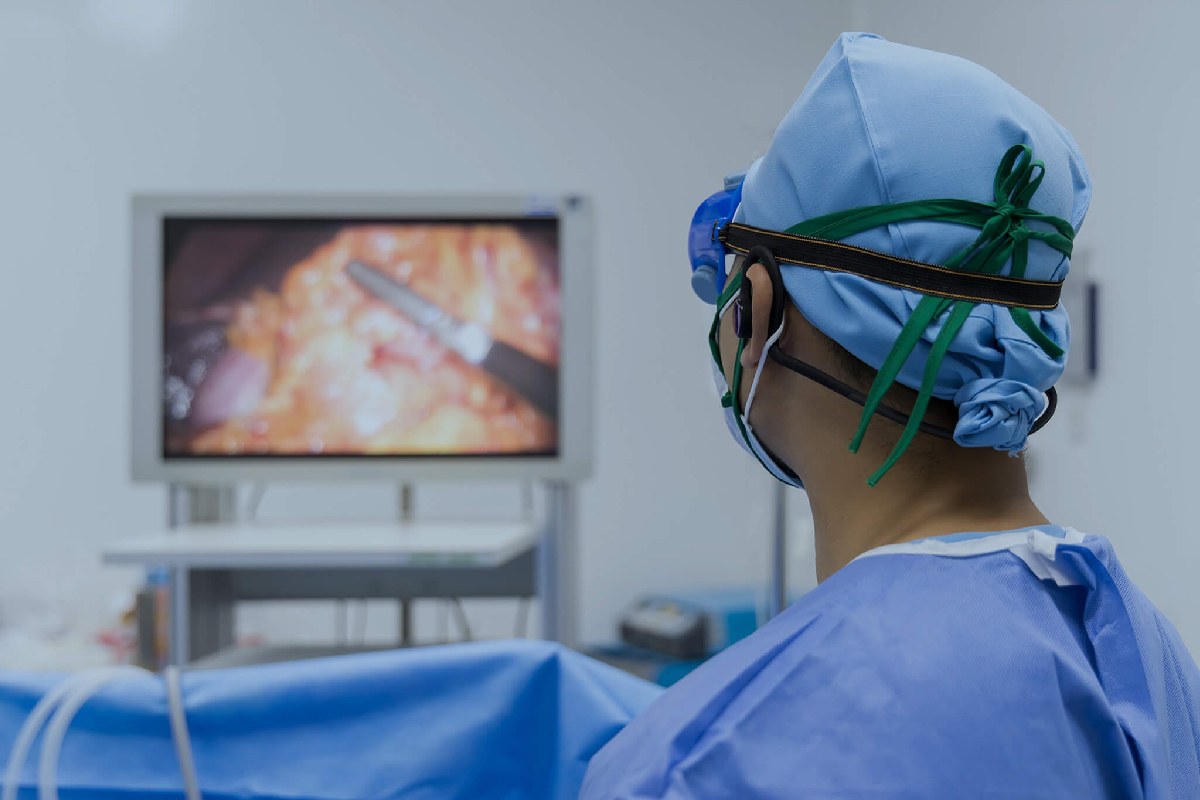
The shift toward minimally invasive surgery has been one of the most significant developments in medicine over the past three decades. What once required large incisions, extended hospital stays, and lengthy recovery periods can now often be accomplished through small openings using specialized cameras and instruments. For patients exploring surgical options in Thailand, endoscopic techniques have become a cornerstone of care at major hospitals, offering outcomes that match or exceed those at leading medical centers worldwide.
Endoscopic surgery encompasses a broad range of procedures. The common thread is the use of a thin, flexible or rigid tube equipped with a light and camera, allowing surgeons to visualize internal structures without making large incisions. Whether the goal is removing a gallbladder, repairing a joint, or excising a tumor, the principles remain similar: smaller wounds, less tissue trauma, and faster healing.
Understanding Endoscopic and Minimally Invasive Approaches
The terminology can be confusing. Endoscopy refers broadly to any procedure using a scope to look inside the body. When that scope is used for surgical intervention rather than just diagnosis, the procedure becomes endoscopic surgery. Laparoscopy specifically describes endoscopic surgery in the abdominal cavity, while arthroscopy refers to joint procedures. Thoracoscopy involves the chest cavity. Each uses the same fundamental concept adapted to different anatomical regions.
During a typical procedure, the surgeon makes one or several small incisions, usually between 5 and 12 millimeters in length. Carbon dioxide gas is often used to inflate the surgical area, creating space for visualization and instrument movement. The endoscope transmits high-definition images to monitors in the operating room, giving the surgical team a magnified view of the target area. Specialized instruments inserted through additional small ports allow the surgeon to cut, cauterize, suture, and remove tissue.
The advantages over traditional open surgery are well documented. A systematic review published in the Annals of Surgery found that minimally invasive approaches consistently resulted in shorter hospital stays, reduced postoperative pain, lower rates of wound complications, and faster return to normal activities across multiple procedure types. The trade-off is that endoscopic surgery requires specialized training and equipment, and not every case is suitable for a minimally invasive approach.
Common Endoscopic Procedures Available in Thailand
Thailand’s major hospitals offer endoscopic surgery across virtually every surgical specialty. Some of the most frequently performed procedures include laparoscopic cholecystectomy for gallbladder removal, which has become the gold standard approach with over 90% of gallbladder surgeries worldwide now performed this way. Recovery typically takes one to two weeks compared to four to six weeks for open surgery.
Laparoscopic hernia repair, appendectomy, and anti-reflux surgery are similarly routine at well-equipped Thai hospitals. More complex procedures such as laparoscopic colorectal surgery for cancer, bariatric surgery for weight loss, and laparoscopic kidney surgery are also widely available, though these require surgeons with advanced subspecialty training.
Gynecological endoscopy represents another major area. Hysteroscopy allows visualization and treatment of conditions inside the uterus, while laparoscopy is used for procedures ranging from ovarian cyst removal to hysterectomy. The World Association of Laparoscopic Surgeons notes that laparoscopic hysterectomy now accounts for the majority of hysterectomies performed in developed healthcare settings, with significantly lower complication rates than abdominal hysterectomy.
Orthopedic arthroscopy, particularly for knee and shoulder conditions, is another strength of Thai medical facilities. Procedures such as ACL reconstruction, meniscus repair, and rotator cuff surgery are performed routinely using arthroscopic techniques, allowing athletes and active individuals to return to their activities faster than traditional open surgery would permit.
Why Thailand Has Become a Hub for Minimally Invasive Surgery
Thailand’s emergence as a medical tourism destination is not accidental. The country has invested strategically in healthcare infrastructure for decades, and its private hospitals now rival those in any developed nation. Several Thai hospitals hold Joint Commission International accreditation, and many surgeons have trained at leading institutions in the United States, Europe, Japan, and Australia before returning to practice.
For international patients, the practical advantages extend beyond clinical quality. Wait times for elective surgery are typically measured in days rather than months. Cost savings can be substantial, with many procedures priced at 40-70% less than equivalent surgery in Western countries, even when factoring in travel and accommodation. This price differential exists not because of lower quality but because of differences in labor costs, malpractice insurance premiums, and healthcare system structures.
Language accessibility has improved considerably. Major Bangkok hospitals employ international patient coordinators fluent in English, Arabic, Japanese, Chinese, and other languages. Medical records, consent forms, and discharge instructions are routinely provided in the patient’s language. Video consultations before arrival allow patients to discuss their case with the surgeon and ask questions before committing to travel.
The combination of advanced technology, experienced surgeons, efficient scheduling, and competitive pricing has made Thailand particularly attractive for patients who face long waits in their home countries or who lack insurance coverage for elective procedures.
What Patients Should Consider Before Traveling
Choosing to have surgery abroad requires careful planning. The first step is obtaining a clear diagnosis and understanding the treatment options. Patients should ideally have imaging studies, laboratory results, and medical records ready to share with the Thai surgical team. Many hospitals offer preliminary case review based on submitted records, allowing surgeons to confirm that the patient is a suitable candidate before travel is arranged.
Selecting the right hospital and surgeon matters enormously. Board certification, fellowship training in the relevant specialty, and procedure volume are all reasonable things to inquire about. Hospitals accredited by JCI or similar international bodies have demonstrated compliance with rigorous safety and quality standards. Patient reviews and outcomes data, where available, provide additional perspective.
Recovery planning deserves serious attention. While endoscopic surgery generally allows faster recovery than open procedures, patients should not underestimate the need for rest and follow-up care. Flying too soon after abdominal surgery can increase the risk of complications. Most surgeons recommend staying in Thailand for at least 7-14 days after the procedure, depending on its complexity, before undertaking a long flight home.
Coordination with a home physician is also important. Patients should arrange for someone to provide follow-up care after returning, and ensure that operative reports and discharge summaries are shared with that provider. Complications, though uncommon, can arise weeks after surgery, and having a local doctor familiar with the case provides an important safety net.
Recovery After Endoscopic Surgery
Recovery experiences vary by procedure type, individual health status, and the specific surgical approach used. However, certain patterns are common across most endoscopic surgeries. The first 24-48 hours typically involve managing mild to moderate discomfort, grogginess from anesthesia, and sometimes shoulder pain caused by residual gas used during the procedure. This shoulder discomfort, while surprising to many patients, usually resolves within a few days.
Most patients are encouraged to walk within hours of surgery. Early mobilization reduces the risk of blood clots and helps the body clear anesthetic agents. Dietary restrictions depend on the procedure; abdominal surgery typically requires a gradual progression from clear liquids to solid food over one to three days.
Return to normal activities follows a general pattern. Light daily activities can usually resume within a few days. Driving typically becomes safe once patients are off narcotic pain medication and can perform emergency maneuvers comfortably. Return to desk work often happens within one to two weeks, while physically demanding jobs or strenuous exercise may require four to six weeks. Surgeons provide individualized guidance based on the specific procedure and the patient’s progress.
Making an Informed Decision
Endoscopic surgery has transformed what is possible in modern medicine. Procedures that once demanded major operations can now be accomplished with minimal disruption to the body and dramatically shorter recovery times. For patients considering treatment in Thailand, the combination of surgical expertise, modern facilities, and practical accessibility makes it a legitimate option worth exploring.
The key is approaching the decision with the same diligence one would apply to surgery anywhere. Understanding the procedure, researching the hospital and surgeon, planning for adequate recovery time, and arranging appropriate follow-up care are all essential steps. Patients who take these steps thoughtfully generally find that surgery in Thailand delivers exactly what they hoped for: effective treatment, professional care, and a faster path back to normal life.
For patients considering minimally invasive treatment in Thailand, Samitivej Hospital offers a comprehensive range of endoscopic procedures performed by experienced surgeons using advanced technology.
References
This article draws on clinical guidelines and educational materials from the Society of American Gastrointestinal and Endoscopic Surgeons (SAGES), resources from the World Association of Laparoscopic Surgeons (WALS), systematic reviews and original research on minimally invasive versus open surgery published in peerreviewed journals such as Annals of Surgery, and accreditation standards from Joint Commission International (JCI). Patients seeking detailed clinical information may consult these and related sources through medical databases such as PubMed.